

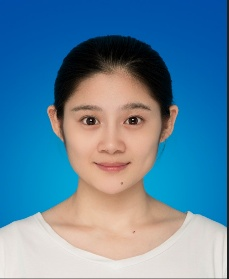
主要研究方向是运用多组学数据和人工智能技术,解析复杂疾病的分子机制,并建立药物发现和精准医疗策略和算法。包括:
(一). 多组学数据驱动的药物作用机制解析与精准预测体系:1) 中药复杂机制的系统阐释:针对中药多成分、多靶点、多途径的特点,开发了多模态融合框架(如Herb-CMap),揭示了中药复方治疗疾病的关键活性成分、作用靶点及分子通路(Brief Bioinform, 2024,引用量 18)。通过计算系统毒理学方法,阐明了中药的肝损伤机制(Acta Pharmacol Sin, 2017, 引用量 54); 2)药物组合与重定位的高效策略:开发了基于网络距离模型的中药配伍原理分析方法,揭示了中药对协同作用的分子基础(Brief Bioinform, 2021,引用量 154); 3) 此外,构建了基于化学和基因组特征的药物重定位算法(DrugRepo),实现了大量已批准药物新适应症的预测(Sci Rep, 2022, 引用量 44)。
(二). 癌症精准医疗的生物标志物发现与药物敏感性预测平台1) 癌症预后与药物敏感性生物标志物:开发了网络驱动的精准医疗平台(NetAML),利用大规模患者组学数据,构建了癌症的药物敏感性预测模型(Adv Sci, 2025)。利用计算机方法探究多发性骨髓瘤(MM)中与不良预后及药物耐药性相关,为MM的治疗提供了潜在靶点和预测生物标志物(Front Cell Dev Biol, 2021); 2) 中医药理论指导下的精准治疗:将中医药理论与现代组学技术结合,通过研究中医“阳虚体质”对癌症预后和肿瘤免疫微环境的影响,识别了与体质相关的预后生物标志物,并发现了潜在的中药活性成分(Front Immunol, 2025)。此外,利用机器学习方法预测中药归经属性,揭示了中药归经与化合物分子特性之间的内在联系(PLoS Comput Biol, 2019),为基于中医体质的精准治疗提供了新思路。
《中医药学基础》、《中药和天然药现代研发范例解读》、《中药企业实践》、《组学技术在现代中药研究中的应用(中英双语)》、《药学科研中的思路与方法》
主要研究方向是运用多组学数据和人工智能技术,解析复杂疾病的分子机制,并建立药物发现和精准医疗策略和算法。包括:
(一). 多组学数据驱动的药物作用机制解析与精准预测体系:1) 中药复杂机制的系统阐释:针对中药多成分、多靶点、多途径的特点,开发了多模态融合框架(如Herb-CMap),揭示了中药复方治疗疾病的关键活性成分、作用靶点及分子通路(Brief Bioinform, 2024,引用量 18)。通过计算系统毒理学方法,阐明了中药的肝损伤机制(Acta Pharmacol Sin, 2017, 引用量 54); 2)药物组合与重定位的高效策略:开发了基于网络距离模型的中药配伍原理分析方法,揭示了中药对协同作用的分子基础(Brief Bioinform, 2021,引用量 154); 3) 此外,构建了基于化学和基因组特征的药物重定位算法(DrugRepo),实现了大量已批准药物新适应症的预测(Sci Rep, 2022, 引用量 44)。
(二). 癌症精准医疗的生物标志物发现与药物敏感性预测平台1) 癌症预后与药物敏感性生物标志物:开发了网络驱动的精准医疗平台(NetAML),利用大规模患者组学数据,构建了癌症的药物敏感性预测模型(Adv Sci, 2025)。利用计算机方法探究多发性骨髓瘤(MM)中与不良预后及药物耐药性相关,为MM的治疗提供了潜在靶点和预测生物标志物(Front Cell Dev Biol, 2021); 2) 中医药理论指导下的精准治疗:将中医药理论与现代组学技术结合,通过研究中医“阳虚体质”对癌症预后和肿瘤免疫微环境的影响,识别了与体质相关的预后生物标志物,并发现了潜在的中药活性成分(Front Immunol, 2025)。此外,利用机器学习方法预测中药归经属性,揭示了中药归经与化合物分子特性之间的内在联系(PLoS Comput Biol, 2019),为基于中医体质的精准治疗提供了新思路。
1. Wang Y#,*, Yao J#, ... , Tan N*. HerbSyner_Finder: a network community-based model for identifying synergistic combinations from herbal medicines and complex systems. Targetome. 2026;2(2):0-0. doi: 10.48130/targetome-0026-0013
2. WangYa,b#,*, LiuR a,#, Zhang Y a, Luo X a, Yu C a, Fang S a, Tan N a,*, Tang Jb,* .(2025) A Network-Driven Framework for Drug Response Precision Prediction of Acute Myeloid Leukemia.Adv Sci, 2025;12(36):e06447. doi:10.1002/advs.202506447
3. Wang, Y.#, Sui, Y.#, Yao, J., Jiang, H., Tian, Q., Tang, Y., Ou, Y., Tang, J.*, & Tan, N*. (2024). Herb-CMap: a multimodal fusion framework for deciphering the mechanisms of action in traditional Chinese medicine using Suhuang antitussive capsule as a case study. Brief Bioinform. 25(5), bbae362. //doi.org/10.1093/bib/bbae362
4. Wang Y#,*, Liu R#, Luo X#, ... , Tang Y*, Yang T*, Tang J*. (2025) HerbComb: An integrated database for the discovery of novel combinational therapies from herbal medicines. Comput Struct Biotechnol J.2025;27:4915-4935. doi:10.1016/j.csbj.2025.10.065
5. Kho BS, ... , Zhang B*, Wang Y*. (2025)Yang-deficiency constitution drives poor outcomes in clear cell renal cell carcinoma by modulating the tumour immune microenvironment. Front Immunol.2025;16:1673579. doi:10.3389/fimmu.2025.1673579
6. Liu R#, Yao J#, Sui Y, Zhang Y, Kho BS, Zhu Y, Tan N*, Wang Y*. (2025)Understanding the molecular basis of herbal medicines for cough variant asthma under the guidance of traditional herbal theories.Front Pharmacol., 2025;11;16:1594308. doi: 10.3389/fphar.2025.1594308.
7. WangY*, LiuM, JafariM, & Tang J*(2024)A critical assessment of Traditional Chinese Medicine databases as a source for drug discovery. Frontiers in pharmacology, 15, 1303693. //doi.org/10.3389/fphar.1303693
8. WangY, Aldahdooh J., HuY., Yang H, Vähä-Koskela M, TangJ*, & TanoliZ*. (2022). DrugRepo: a novel approach to repurposing drugs based on chemical and genomic features.Scientific reports,12(1), 21116. //doi.org/10.1038/s41598-022-24980-2
9. Wang Y, Yang H, Chen L, Jafari M, Tang J. (2021) Network-based modeling of herb combinations in Traditional Chinese Medicine. Brief Bioinform. 2021 Sep 2;22(5):bbab106.//doi.org/10.1093/bib/bbab106
10. Liu M#, Wang Y#, …, Heckman A., (2021) S100 calcium binding protein family members associate with poor patient outcome and response to proteasome inhibition in multiple myeloma. Front Cell Dev Biol. 2021. 9: p. 723016.
11. Wang Y, Jafari M, Tang Y, Tang J. (2019) Predicting Meridian in Chinese traditional medicine using machine learning approaches.PLoS Comput Biol. 2019;15(11):e1007249.
12. Wang Y, Li J, Wu ZR, Zhang B, Yang HB, Wang Q, et al. (2017) Insights into the molecular mechanisms of Polygonum multiflorum Thunb-induced liver injury: a computational systems toxicology approach. Acta Pharmacol Sin. 2017;38(5):719-32.

